PREGNANCY & POSTNATAL PHYSIOTHERAPY
What Is Prenatal Physiotherapy?
Pregnancy is an exciting and beautiful time however during pregnancy the body undergoes significant changes. Pelvic floor dysfunction is common in pregnancy due to the new demands and loads placed on the body. It is recommended to book in with a pelvic health physiotherapist early in your second trimester (from 13 weeks) to help support you through the physical changes, stay active and prepare you for childbirth. If you have any concerns prior to the second trimester, you can see a pelvic health physiotherapist earlier than this but an internal examination is usually not performed until the second trimester. In addition to helping with pelvic floor dysfunction, we can also guide you in regards to general strength and aerobic exercise throughout pregnancy and treat any musculoskeletal complaints that occur throughout pregnancy.
What Are the Benefits of Prenatal Physiotherapy?
Comprehensive Support Throughout Your Entire Journey
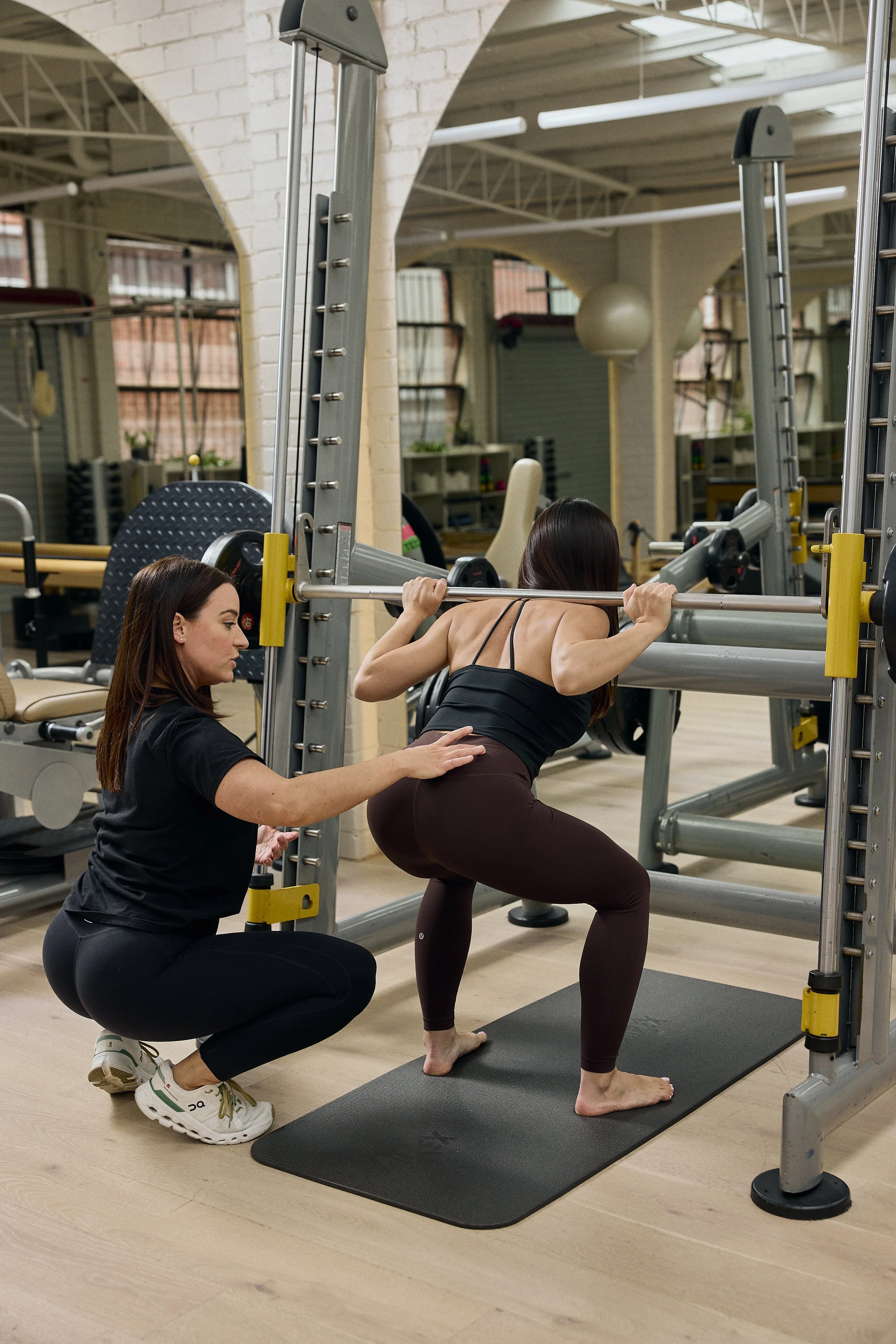
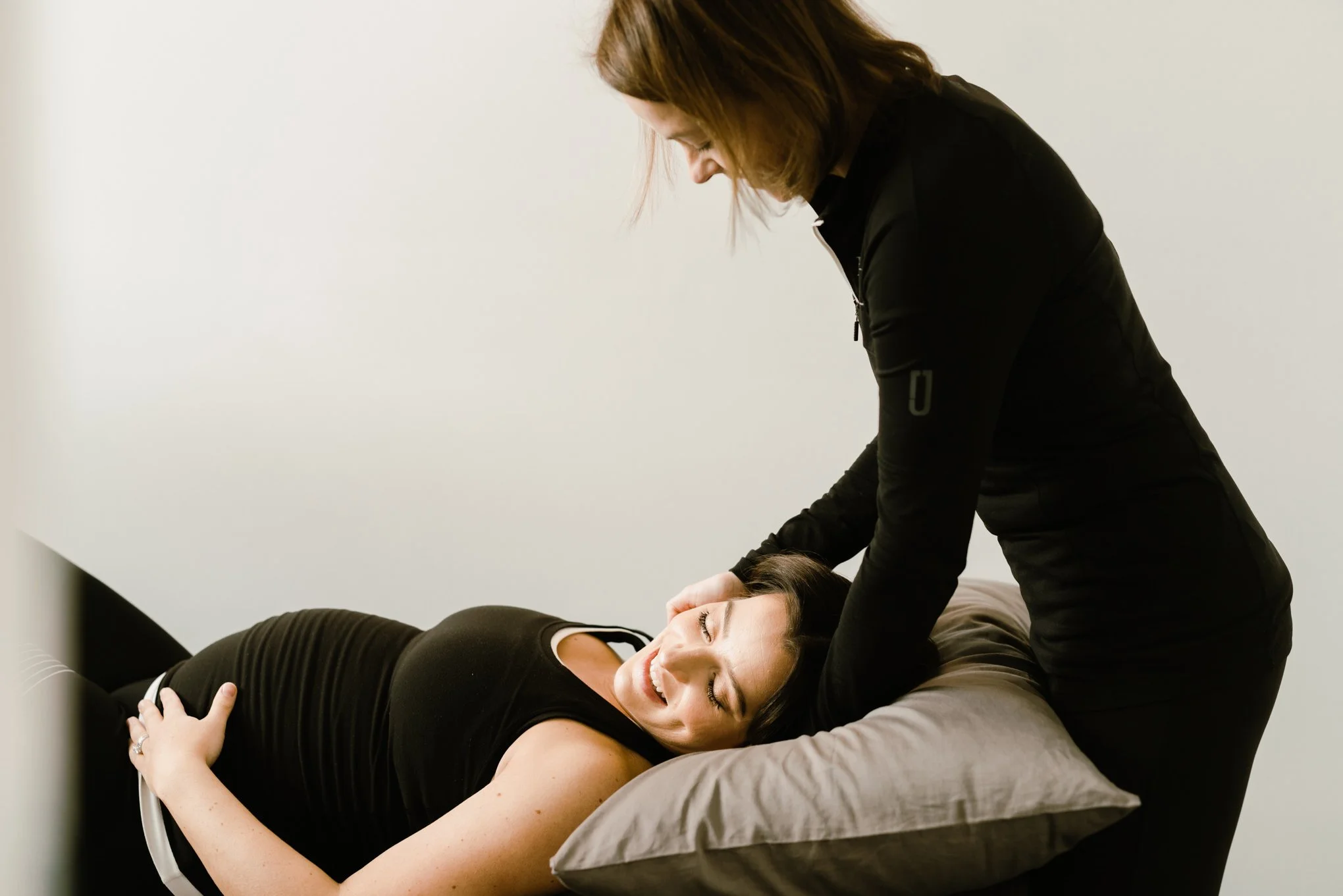
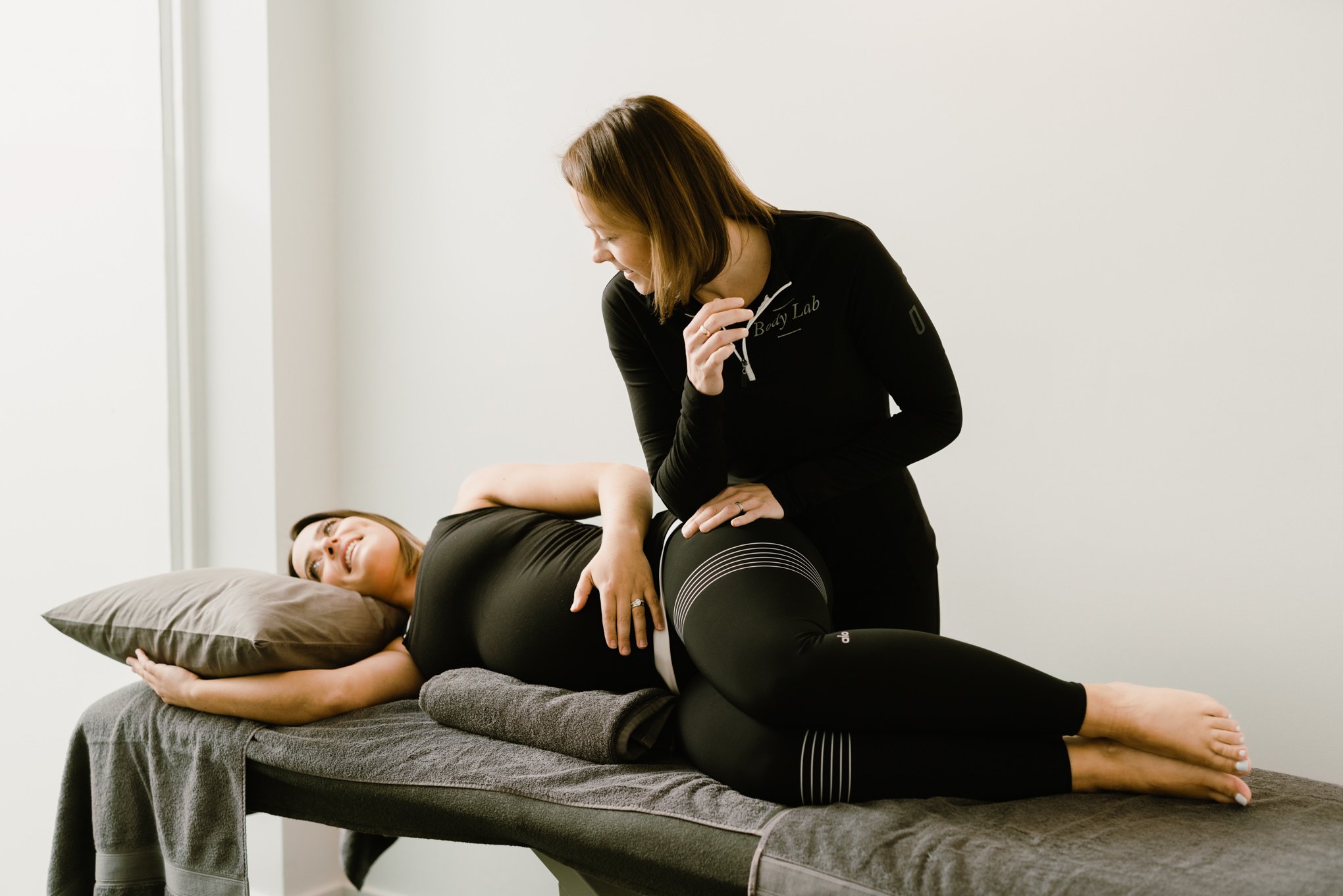
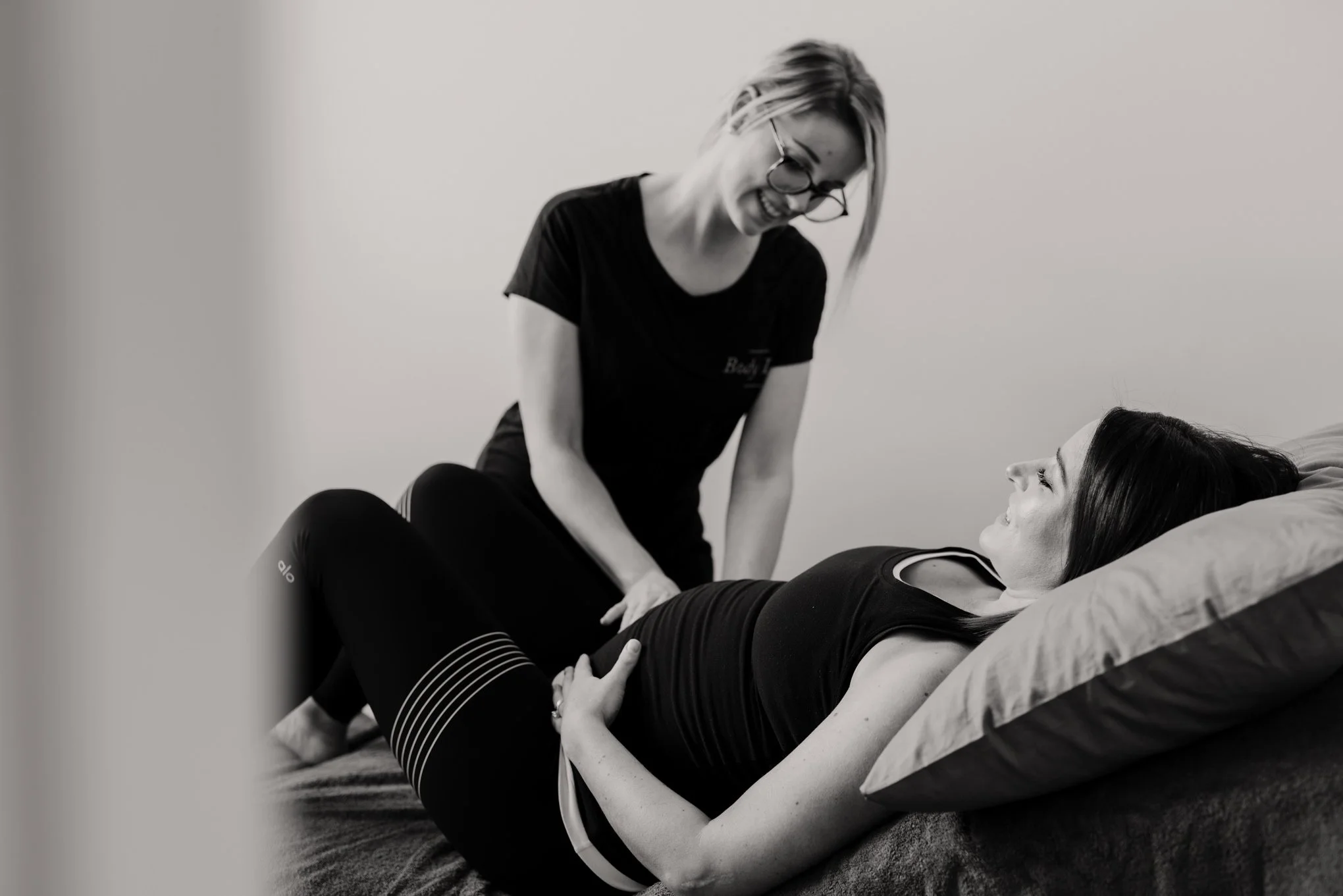
Our pelvic health physiotherapists will support you with knowledge, practical advice and hands on treatment (as required) through pregnancy and the postnatal period. They can give you guidance on how to stay active throughout pregnancy, improve your pelvic floor function, give advice regarding support garments and provide education regarding birth and recovery.
Prevent or Manage Urinary Incontinence
Leakage of your bladder or bowels is common in pregnancy and the postnatal period. Our physiotherapists can help you prevent this from occurring or manage symptoms once they arise. Prevention of incontinence in pregnancy is key, as we know that if you can prevent it from occurring in pregnancy you’re less likely to have incontinence following birth.
Birth Preparation
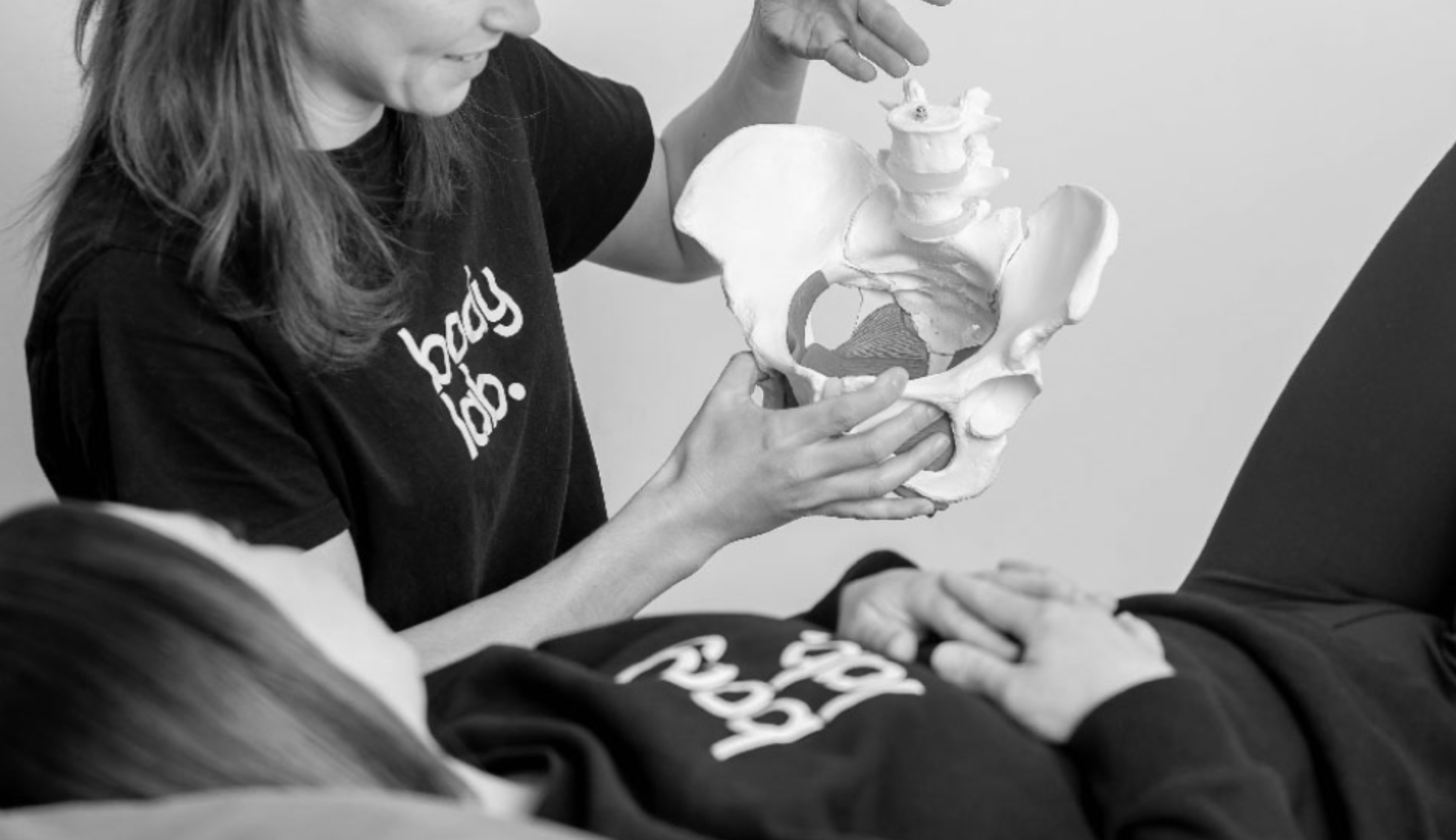
Our physiotherapists can help you prepare for birth, whether that be via vaginal delivery or c-section. For a vaginal delivery, the pelvic floor muscles need to learn to relax and allow the baby to move through the birth canal during the pushing phase of labour. An overactive pelvic floor can prolong the pushing phase, which increases risk of pelvic floor injury. Learning to relax your pelvic floor in pregnancy allows you to do this more easily in labour. We also discuss the recovery process and what you can do to optimise the recovery of your pelvic floor in the first 6-12 weeks following birth. We discuss what to expect during a c-section, and how to best recover.
Supports General Musculoskeletal Pains From Pregnancy
Low back pain, pelvic girdle pain, carpal tunnel syndrome, thoracic and rib pain are all common conditions of pregnancy due to changing loads and postural positions. Seeking physiotherapy during these times helps to keep you as comfortable as possible. Early management of these conditions can also prevent them from worsening throughout pregnancy.
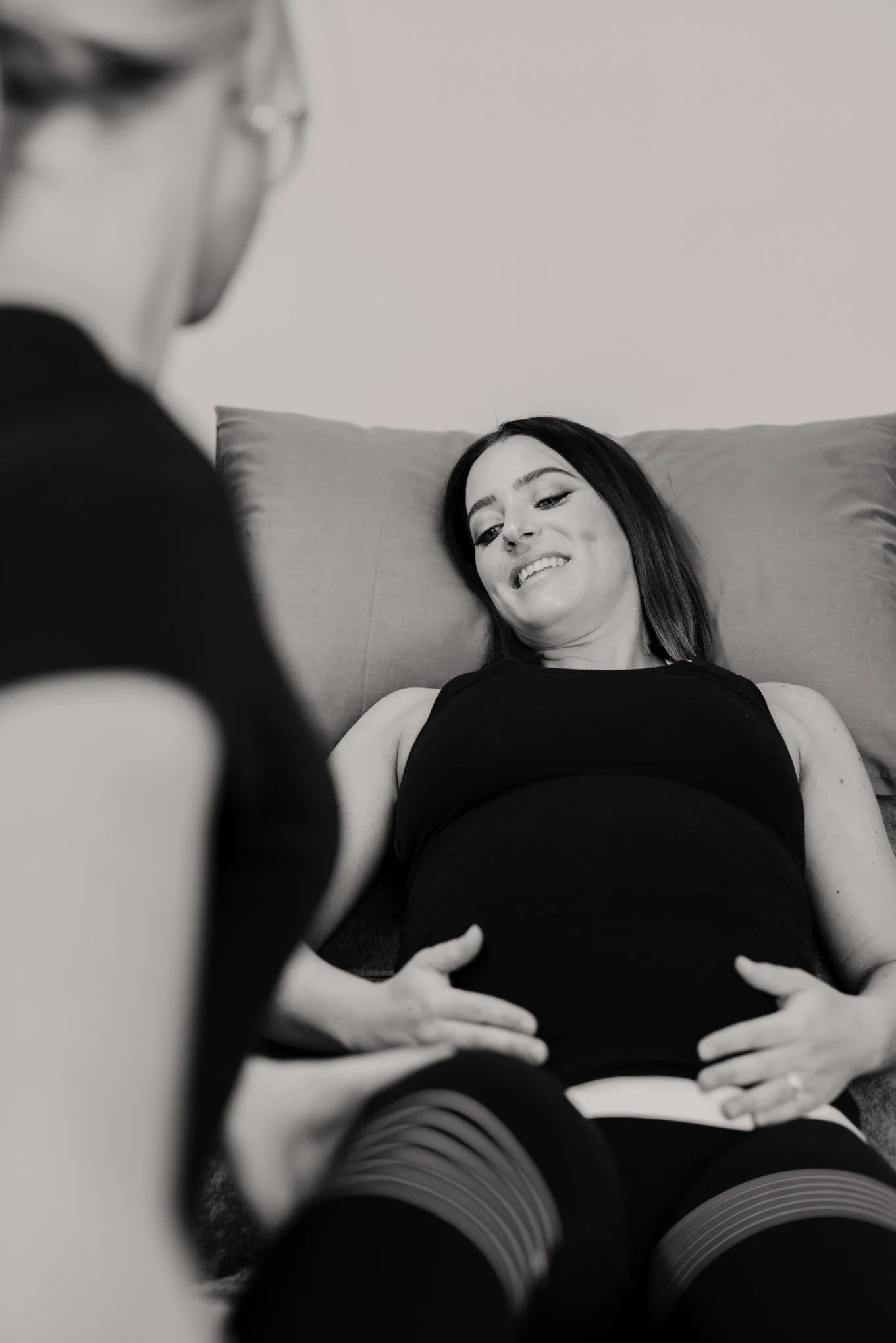
What Is Postnatal Physiotherapy?
Postnatal physiotherapy commences after delivering your baby. We recommend booking your appointment for 6 weeks postpartum, unless you are having any specific concerns which you would like to discuss earlier than this.
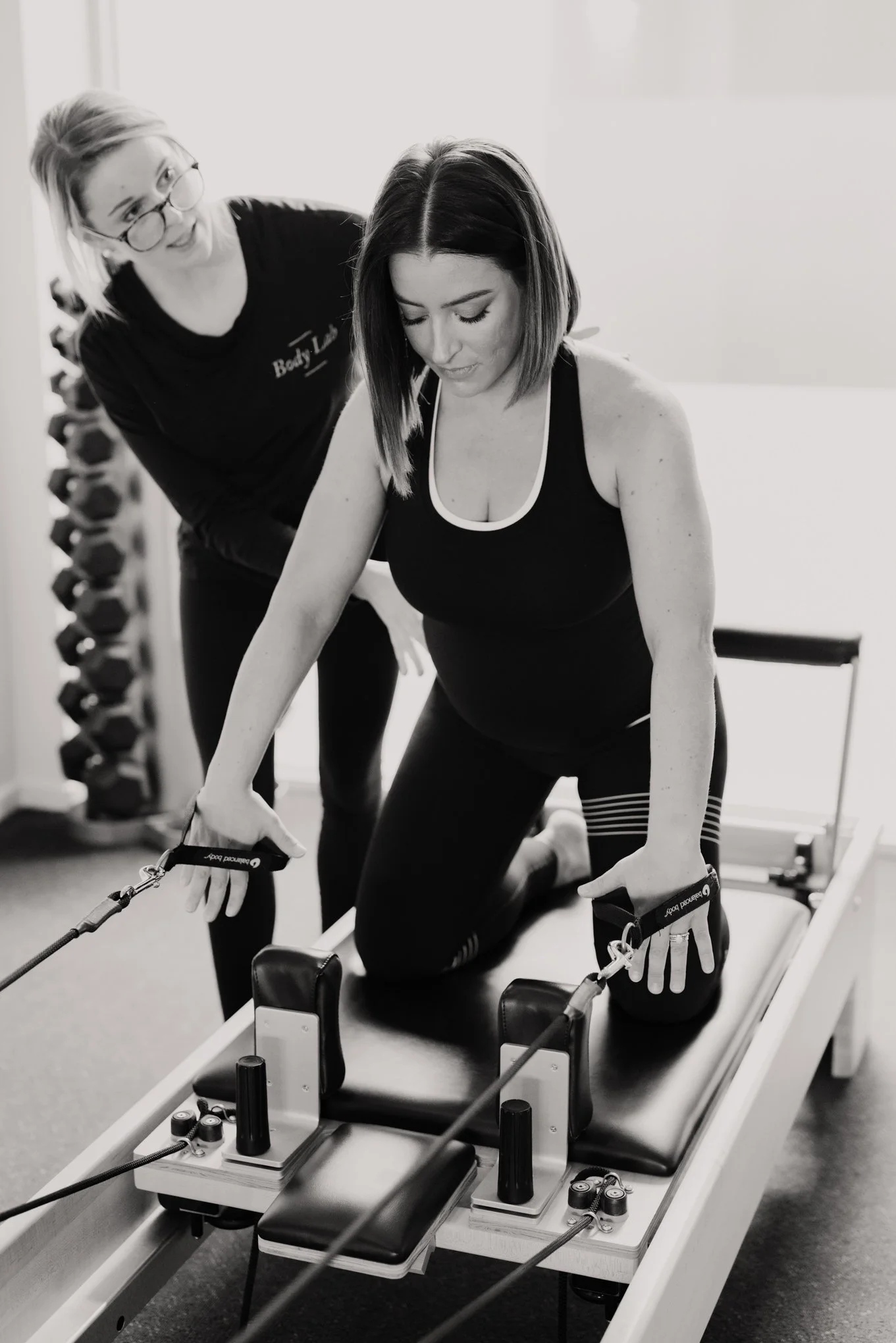
Diastasis Recti (Abdominal Separation) Assessment
This refers to the gap between your six pack muscles that occurs in nearly all pregnancies. There is always some gap between the muscles (even prior to pregnancy) but the gap widens as the baby grows. After delivery, this tissue recoils and the gap reduces, with the most change occurring in the first 12 weeks following delivery. Some women are more prone to having a larger gap, and may benefit from specific advice from a physiotherapist to help the tissue to recover and improve their abdominal wall function. As the most change occurs in the first 12 weeks, it’s recommended to see a physiotherapist around 6 weeks (or earlier if you’re concerned about it) to maximise those first 12 weeks to get the best results.
Pelvic Health Concerns Support
Common pelvic health concerns post childbirth can include urinary incontinence, bowel incontinence, perineal tearing, prolapse, and pain and discomfort when returning to sexual intercourse. A pelvic health physiotherapist can thoroughly assess the function of your pelvic floor (including screening for prolapse), and give you a personalised program to improve your pelvic floor function and reduce discomfort.
Guided Return to Exercise
Returning to exercise is a gradual process, and everyone will recover at different rates. Our physiotherapists can give you advice on how you can gradually reintroduce exercise, keeping in mind your type of delivery, pelvic floor function, general strength and prior exercise history. Impact exercise is generally not advised until after 12 weeks, and this is provided you have commenced strength training of some kind to prepare your body for reintroducing impact exercise. Not only does your pelvic floor need to have recovered sufficiently, but you need good overall muscle strength to cope with the loads of impact exercise (such as running/jumping) to ensure you don’t get an overuse injury.
What Are the Benefits of Postnatal Physiotherapy?
Take the first step towards better movement. Begin your physiotherapy journey with Body Lab today.
Services
-
![Body Lab practitioner providing hands-on treatment during a physiotherapy session]()
Physiotherapy
-
![Close-up of myotherapy treatment for pain relief and recovery]()
Myotherapy
-
![]()
Clinical Pilates
-
![]()
Musculoskeletal Physiotherapy
-
![]()
Strength and Conditioning
-
![Sports Physiotherapy]()
Sports Physiotherapy
-
![]()
Pelvic Health Physiotherapy
-
![]()
Pre/Post Natal Physiotherapy
-
![]()
Pre Pointe Assessments
-
![]()
Surgical Pre/ Rehabilitation
-
![]()
Realtime Ultrasound
-
![]()
Dry Needling
-
![]()
Handheld Dynometry
-
![]()
Mastitis Treatment
-
![]()
Remedial Massage
-
![]()
Sports Massage
-
![]()
Adjunctive Therapies
-
![]()
Pregnancy Massage
-
![]()
Relaxation & Stress Therapy Massage