PELVIC HEALTH PHYSIOTHERAPY
Pelvic health physiotherapy is a specialised area of physiotherapy that focuses on the assessment and treatment of conditions related to the pelvic floor, the pelvis and the unique physical health needs of women across all life stages—from adolescence to pregnancy, postpartum, and menopause. A pelvic health physiotherapist will provide you with strategies to improve long term health and optimise quality of life.
The Importance of Pelvic Health Physiotherapy
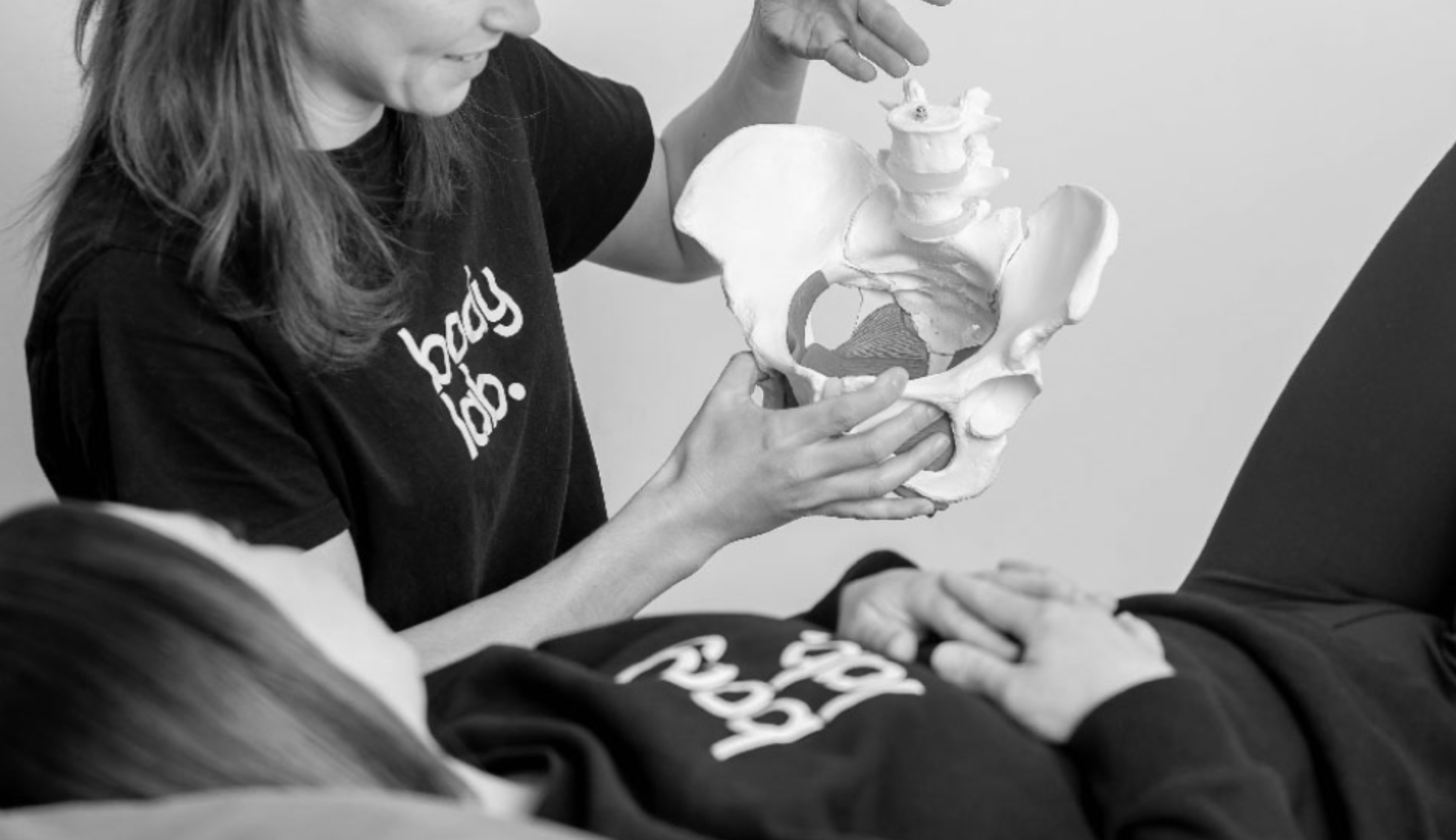
The pelvic floor is a group of muscles that support the bladder, bowel, and reproductive organs including the uterus. These muscles are important for the prevention of bladder and bowel incontinence, prolapse, and sexual dysfunction/pain. The pelvic floor can be weakened by factors such as pregnancy and child birth, constipation, recurrent coughing/straining and post pelvic and gynaecological surgery.
Conditions treated by Pelvic Health Physiotherapy:
Common pelvic health conditions we treat include:
Bladder incontinence
Bowel incontinence
Sexual pain/dyspareunia
Vaginismus
Vulvodynia/vestibulodynia
Endometriosis related pain
Chronic pelvic pain
Pelvic girdle pain
Weak pelvic floor muscles
Overactive pelvic floor muscles
Overactive bladder or urgency
Diastasis recti (abdominal separation)
Prolapse
Post gynaecological surgery
What Is Pelvic Health Physiotherapy?
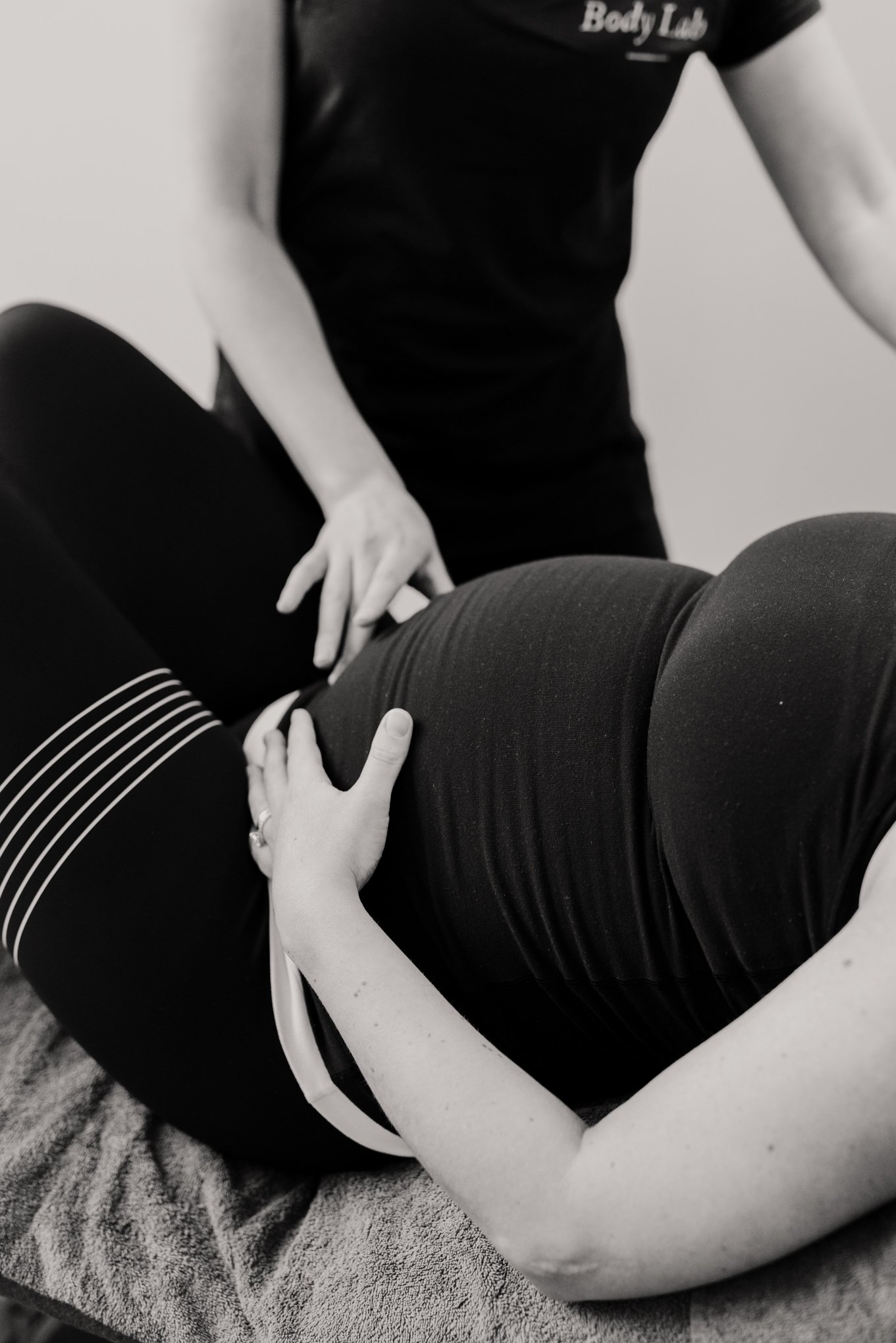
Support for Your Pelvic Health
Helping you manage pelvic pain and pelvic floor dysfunction with personalised physiotherapy.
Bladder and Bowel Health
Although not commonly spoken about, bladder and bowel issues are in themselves common conditions. Our pelvic health physiotherapists can help improve the symptoms of incontinence by identifying the contributing factors and giving advice to address these. This might include assessment of your pelvic floor muscles and the prescription of individualised exercises to target them, and advice around fibre and fluid intake.
Pelvic Pain
Pelvic pain refers to pain experienced in the pelvic region, i.e. below the belly button. This includes inside the pelvis, lower abdomen, vulva, vaginal, and perineal and anal areas. The impact this pain can have on your life can be significant and our pelvic health physiotherapists can help with strategies to assist and improve your pain.
Pelvic pain encompasses a wide variety of conditions such as dyspareunia (sexual pain), vulvodynia, vaginismus, and gynaecological conditions such as endometriosis and polycystic ovary syndrome (PCOS).
Pelvic Floor Strength
The pelvic floor muscles support the bladder, bowel and reproductive organs. Pelvic floor muscle dysfunction can result in overactivity, weakness or poor co-ordination of these muscles which impacts their ability to provide support to these organs.
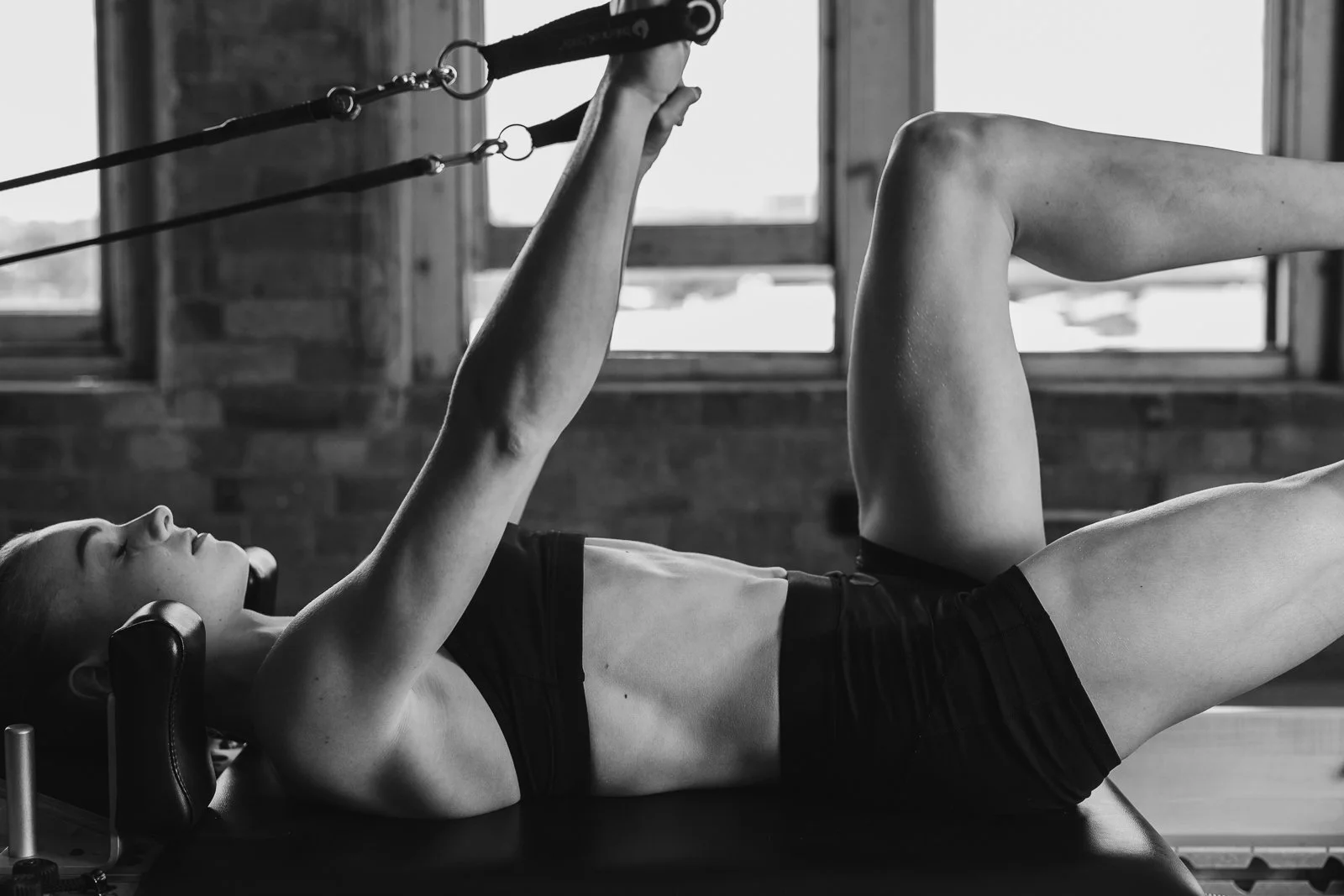
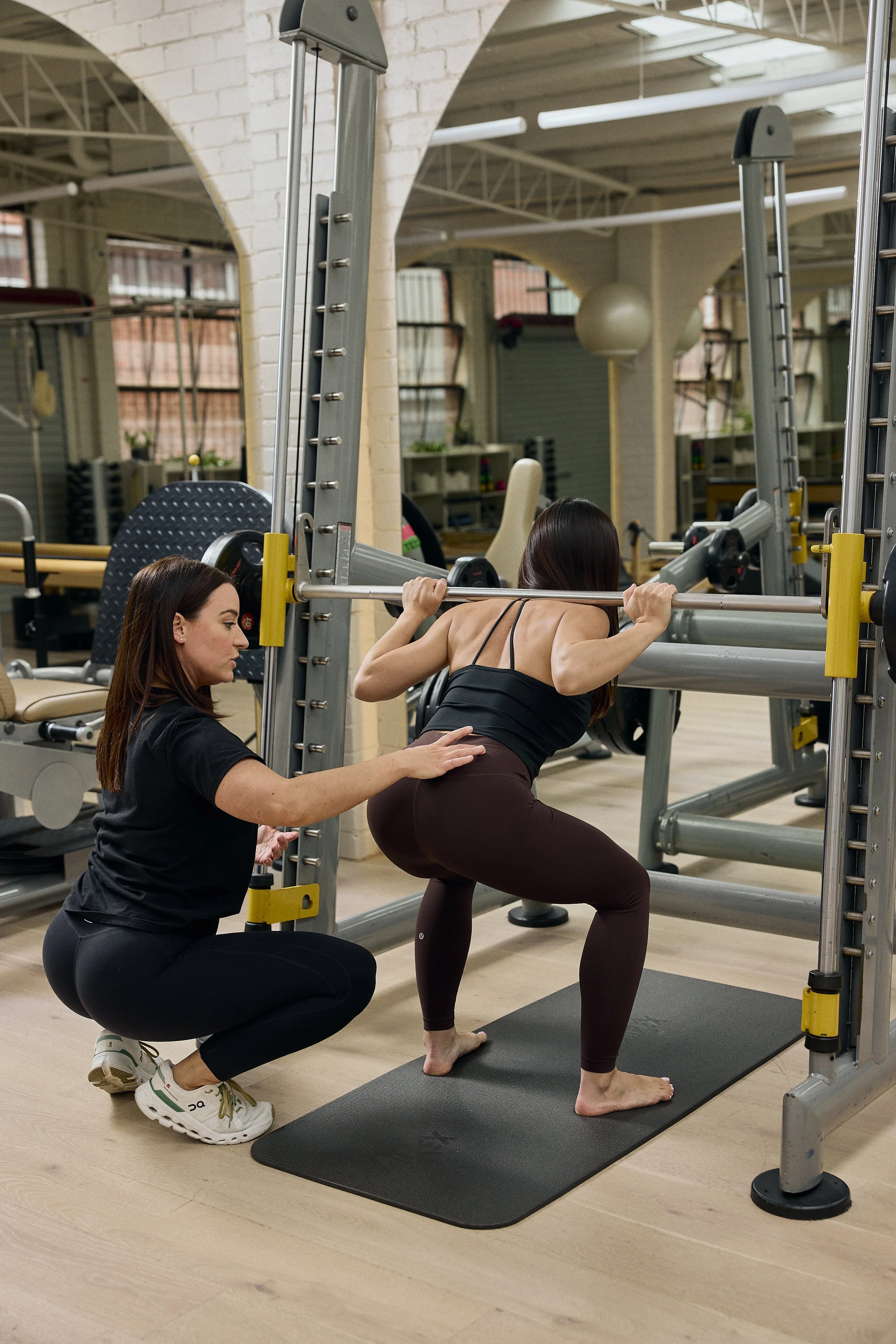
Initially it can be beneficial to train the pelvic floor muscles alone, but then it is important to also incorporate them into other exercises (including in our Clinical Pilates Classes) to improve functional strength.
Pelvic floor dysfunction can occur at any stage of life, but it is particularly susceptible to the changes that occur with pregnancy, menopause and high impact sport.
Sports and Running Based Pelvic Health Physiotherapy
Pelvic health issues are common in athletes and the active population with 1 in 3 women experiencing leaking during exercise, with numbers increasing with higher impact sports such as trampolining and football. This can create negative experiences with exercise and can impact your confidence during performance.
Pelvic health physiotherapy can also be beneficial in the post natal period to get women back to sport, running and general exercise. After pregnancy and birth, the pelvic floor and core muscles need to be strengthened in preparation for these activities. A pelvic health physiotherapist can assist with a plan to gradually return to exercise.
FAQs
-
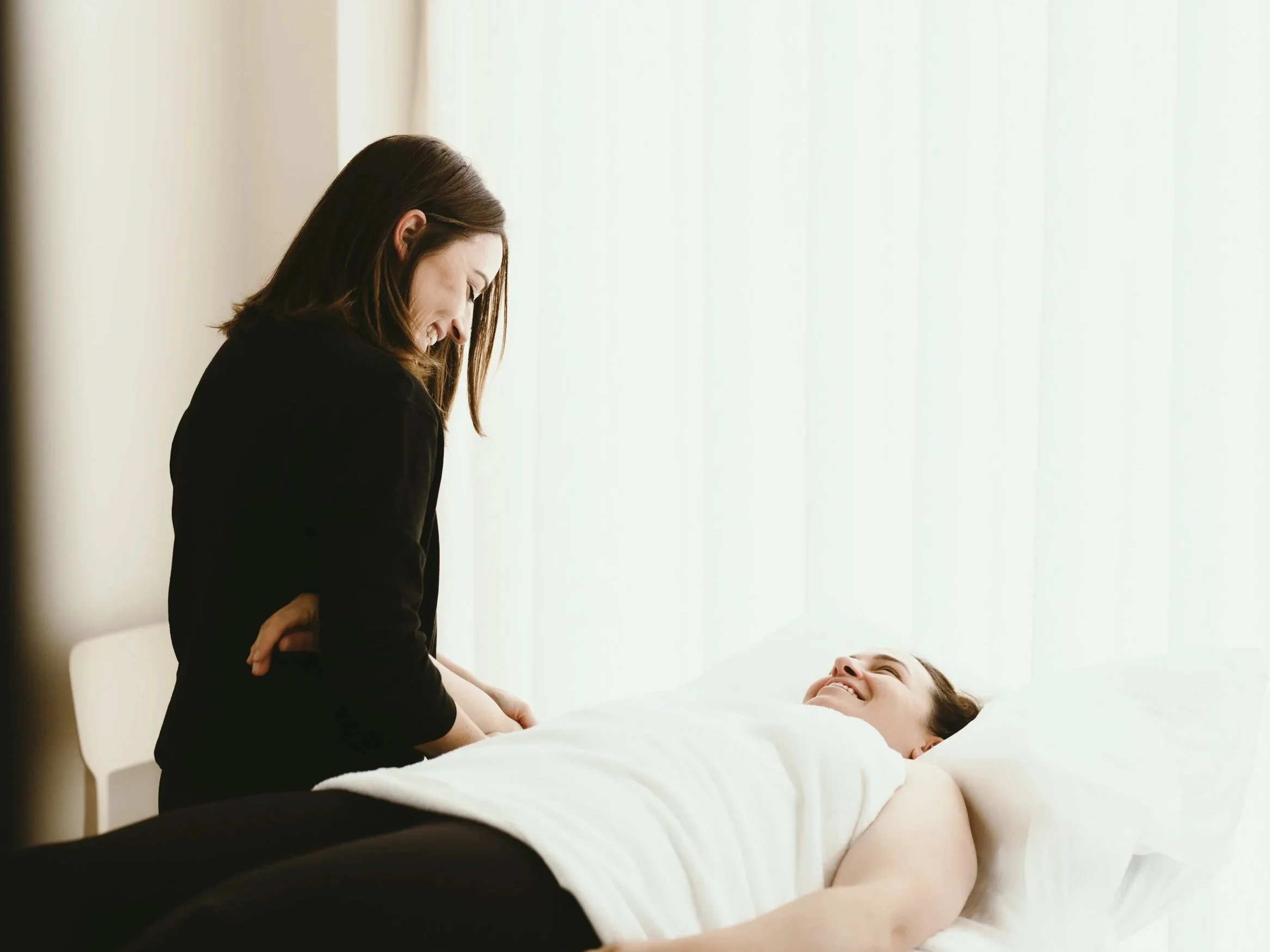
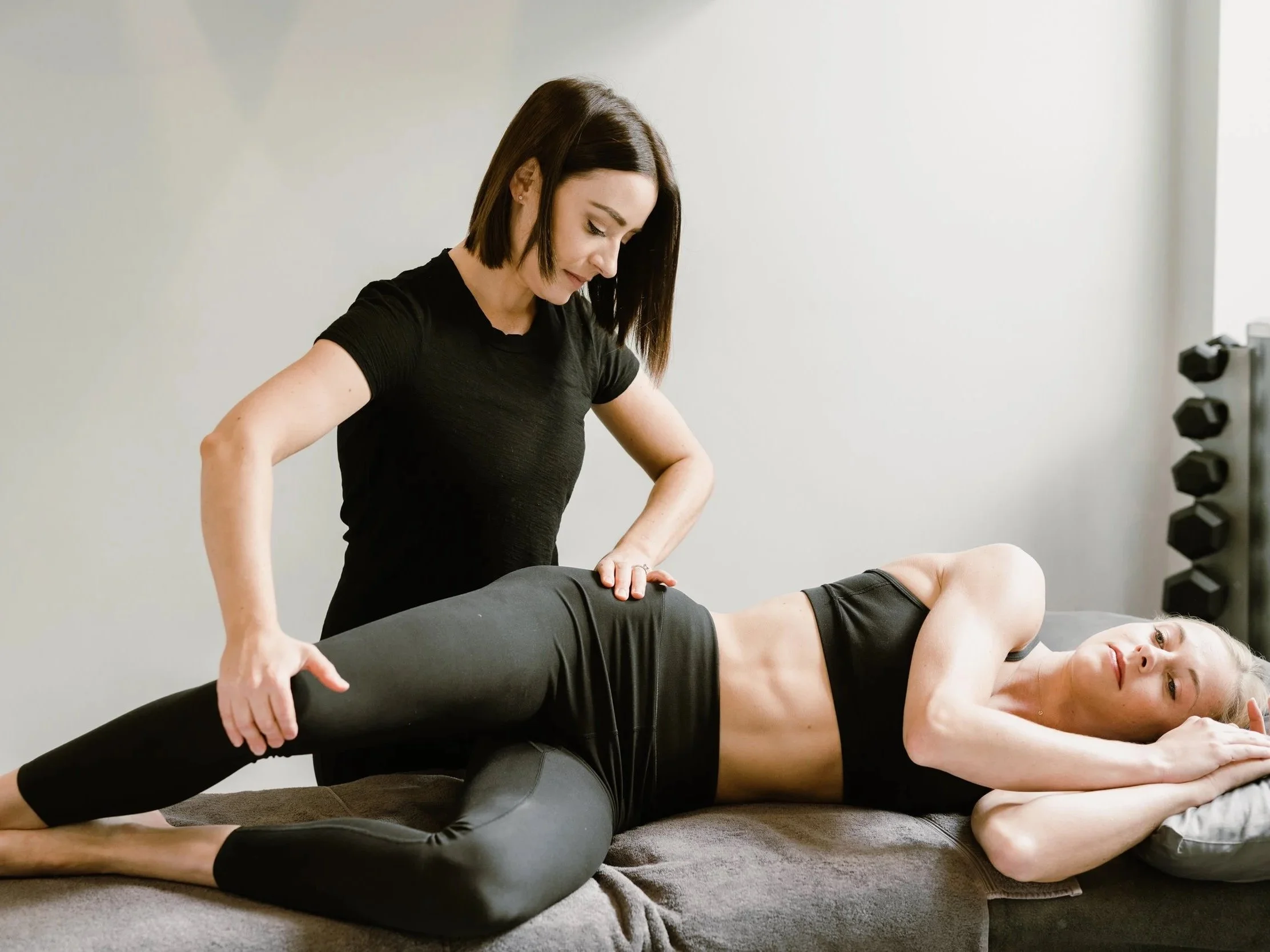
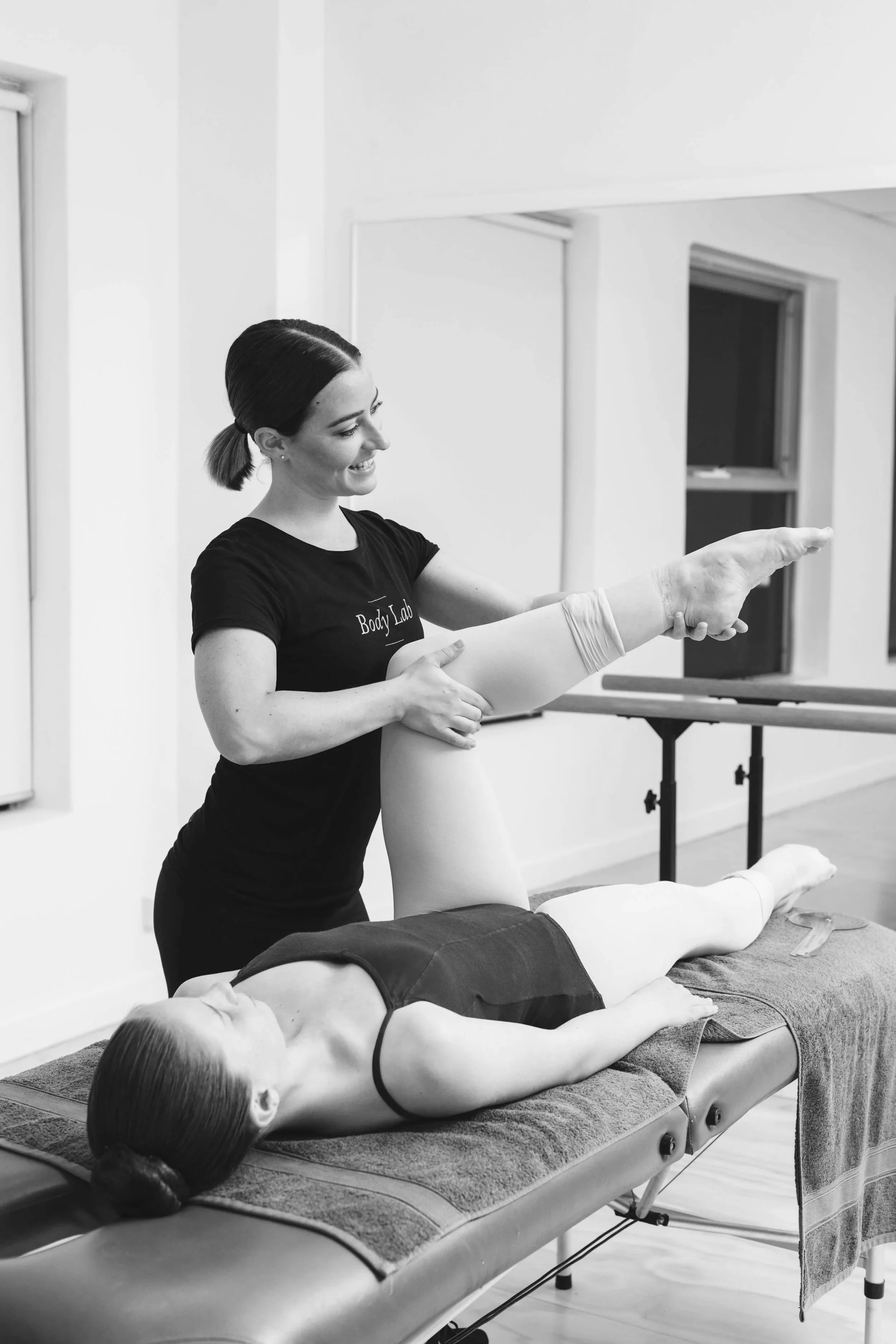
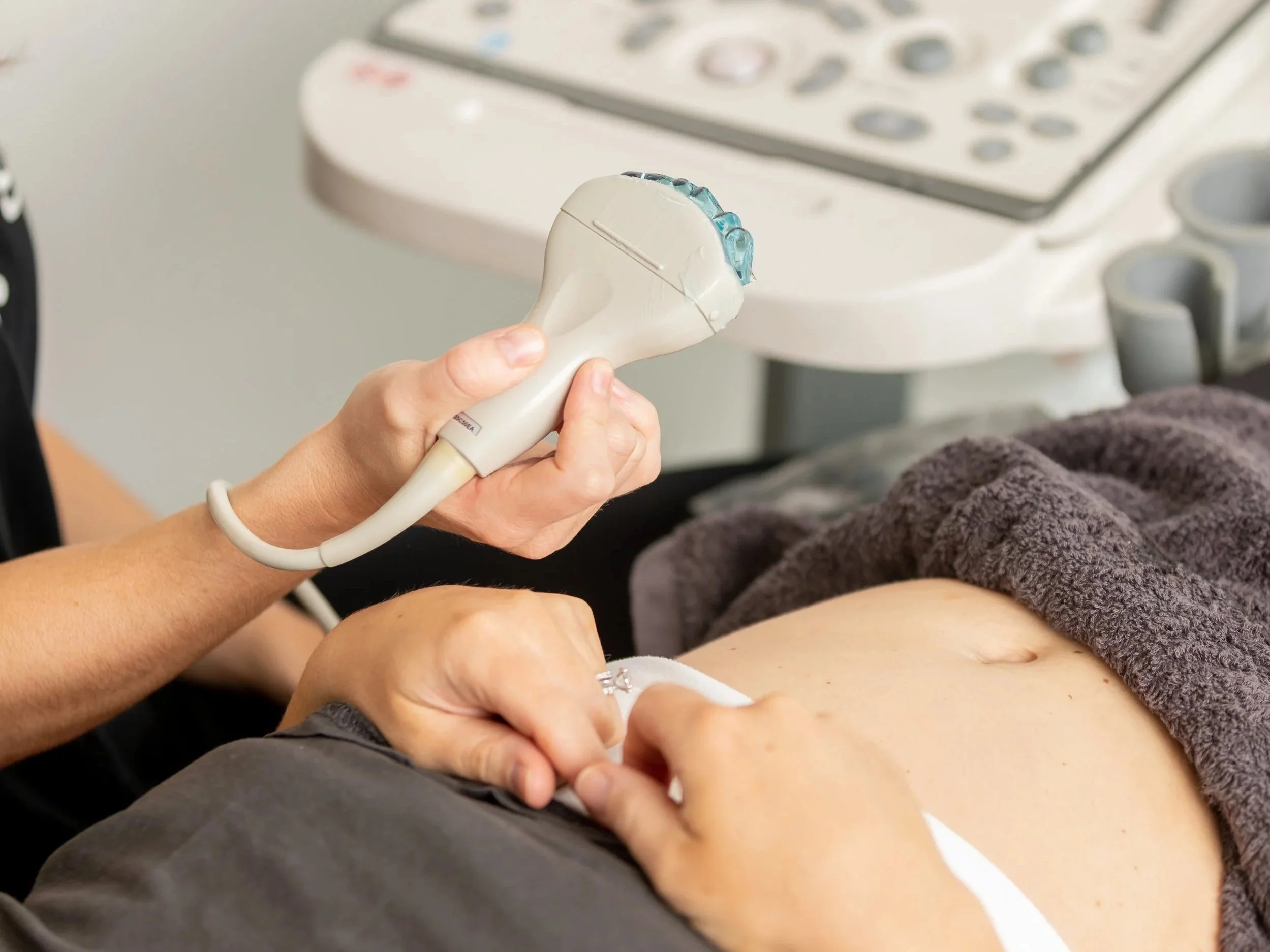
A pelvic health physiotherapy appointment involves a discussion around your symptoms, getting a thorough history to work out potential causes and contributing factors. The type of assessment will depend on your symptoms and situation, but may involve looking at different movements to identify any dysfunctional movement patterns and assessing your pelvic floor (which can be done via internal vaginal examination or using our abdominal ultrasound machine). Your physiotherapist can then create a tailored plan to address your concerns.
-
Pelvic health physiotherapy is not typically painful. Your appointment may involve an internal pelvic floor examination, if clinically appropriate and with your consent. Internal pelvic floor assessments in general are not painful, however for those experiencing pelvic pain (e.g endometriosis, sexual pain, bladder pain syndrome, vaginismus) the assessment may involve some discomfort to work out where your pain is coming from. We aim to keep discomfort to a minimum and will continually check in with you throughout the examination to ensure you are not in too much discomfort. You are also able to cease the examination at any time if you would like to.
-
You don’t need to do anything to prepare for your appointment. If you require an internal examination, you may be asked to undress from the waist down. You may wish to wear clothing that is comfortable and easy to remove. There is no need to remove body hair for an internal examination. You may find the internal examination more comfortable with an empty bladder so you may wish to go to the toilet just prior to your appointment, however this is certainly not essential.
-
Yes you can. If you require an internal assessment, we can still do this while you are on your period, if you feel comfortable to do this. For those that have significant period pain you may prefer not to have an internal assessment in the first few days of your period, which is also fine.
-
This will depend on your health care cover, but if you have cover for “physiotherapy” then pelvic health physiotherapy is also covered.
Services
-
![Body Lab practitioner providing hands-on treatment during a physiotherapy session]()
Physiotherapy
-
![Close-up of myotherapy treatment for pain relief and recovery]()
Myotherapy
-
![]()
Clinical Pilates
-
![]()
Musculoskeletal Physiotherapy
-
![]()
Strength and Conditioning
-
![Sports Physiotherapy]()
Sports Physiotherapy
-
![]()
Pelvic Health Physiotherapy
-
![]()
Pre/Post Natal Physiotherapy
-
![]()
Pre Pointe Assessments
-
![]()
Surgical Pre/ Rehabilitation
-
![]()
Realtime Ultrasound
-
![]()
Dry Needling
-
![]()
Handheld Dynometry
-
![]()
Mastitis Treatment
-
![]()
Remedial Massage
-
![]()
Sports Massage
-
![]()
Adjunctive Therapies
-
![]()
Pregnancy Massage
-
![]()
Relaxation & Stress Therapy Massage