MASTITIS TREATMENT
What Is Mastitis?
Mastitis occurs when the breast tissue becomes inflamed often due to a blocked milk duct or bacterial infection. It can cause redness, pain, swelling and discomfort in the affected breast and if more severe can be accompanied by flu-like symptoms such as fever and fatigue. Physiotherapy can be used to assist the management of mastitis by reducing inflammation and relieving symptoms.
What Are the Signs and Symptoms of Mastitis?
Pain and tenderness on the affected breast especially with pressure or touch
Swelling, redness and warmth around the infected area of the breast
Hard lumps in the breast tissue
Flu like symptoms such as fatigue, body aches and nausea
Fever and chills, as a response to an infection
What Are the Causes of Mastitis?
During breastfeeding, mastitis is most commonly caused by a build up of milk within a woman’s breast. This can occur due to:
Prolonged breast engorgement when the milk ducts are not fully drained causing stagnation and inflammation
Abrupt weaning, infrequent feeding or a sudden decrease in breast feeding frequency, which increases the chances of a blockage occurring due to ineffective feeding or increased milk in the breast at a given time
Cracked or sore nipples allowing bacteria to enter surrounding breast tissue increasing the risk of infection
Compression from a poorly fitted bra
The Body Lab Process
How Do Physiotherapists Treat Mastitis?
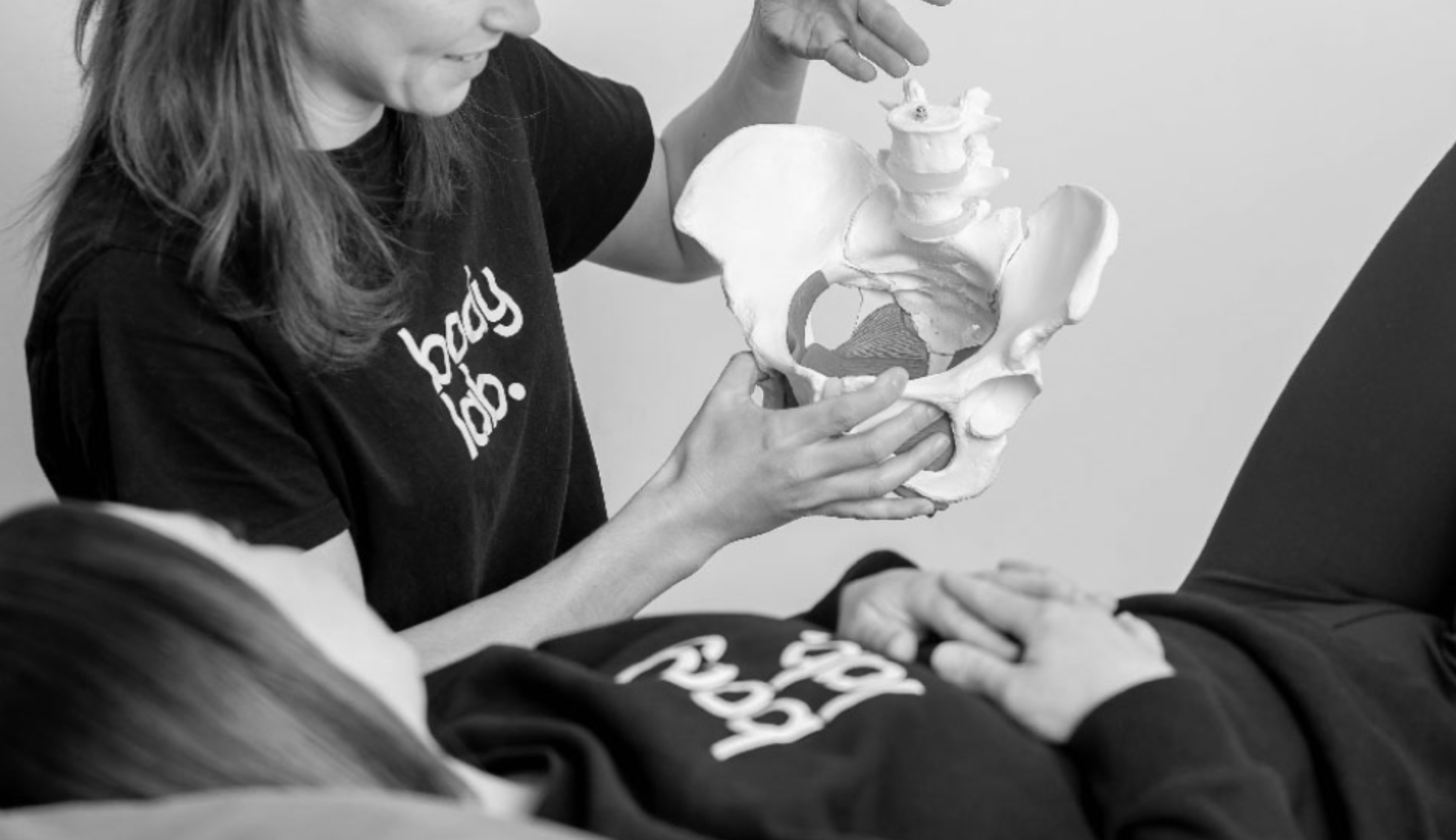
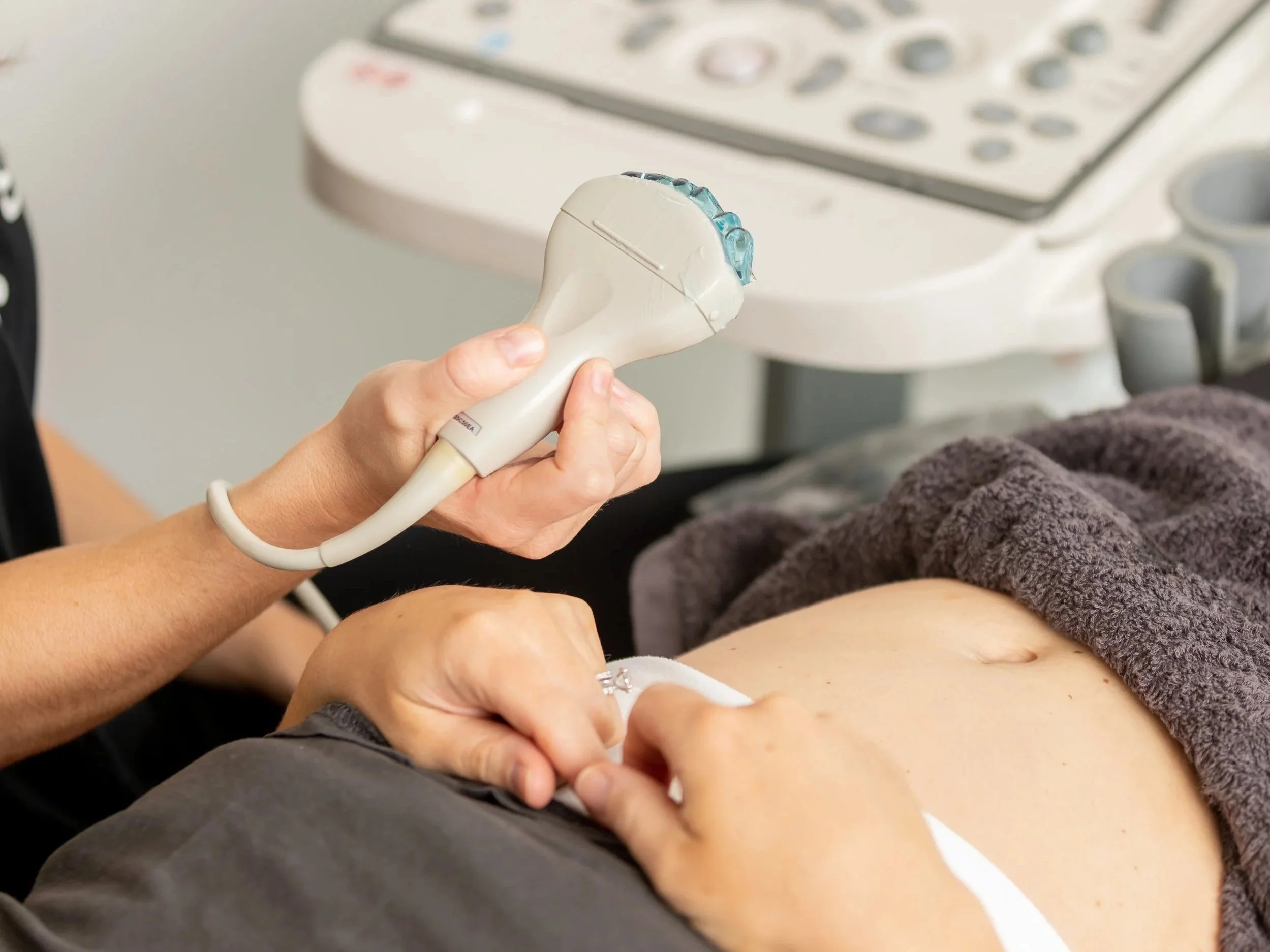
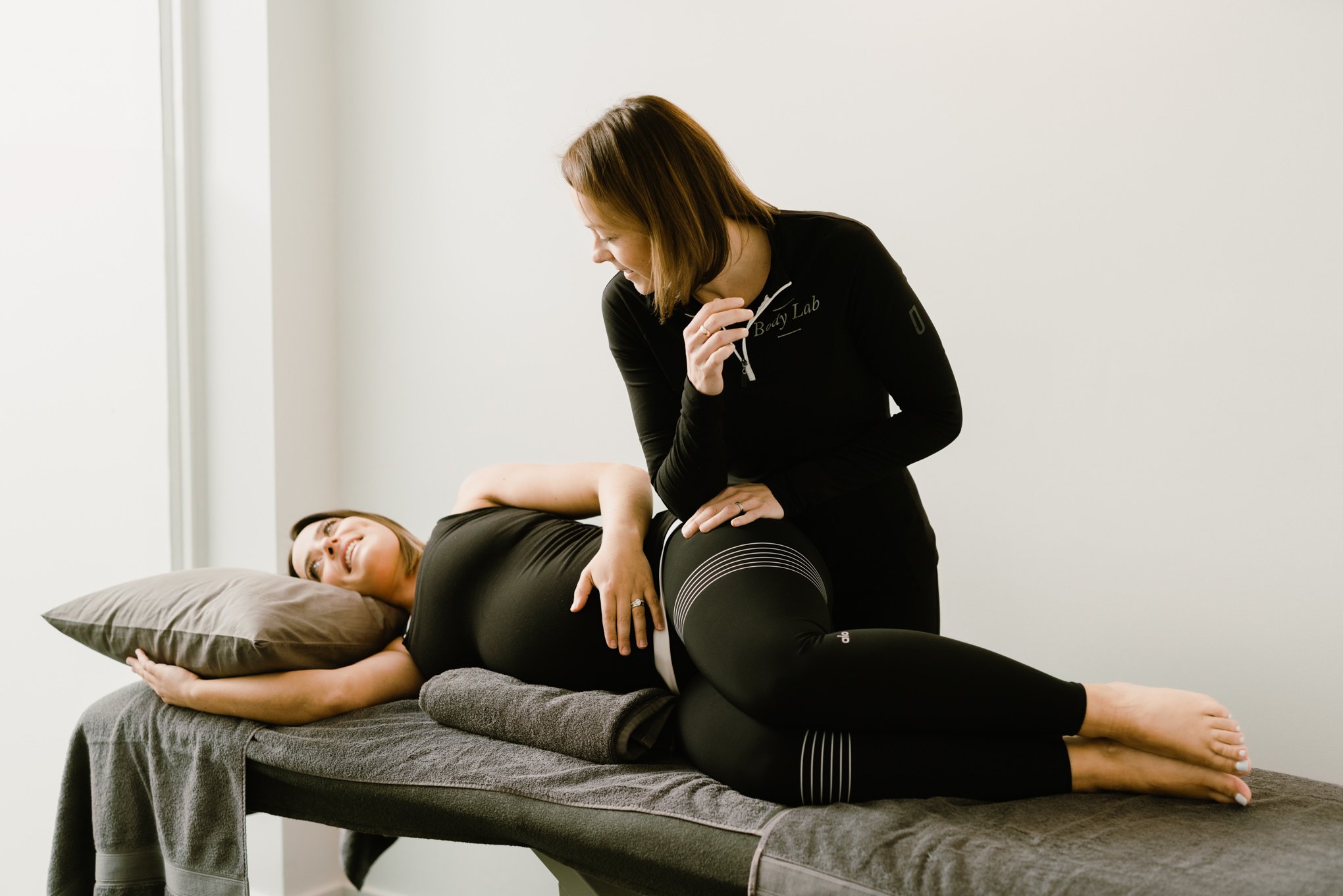
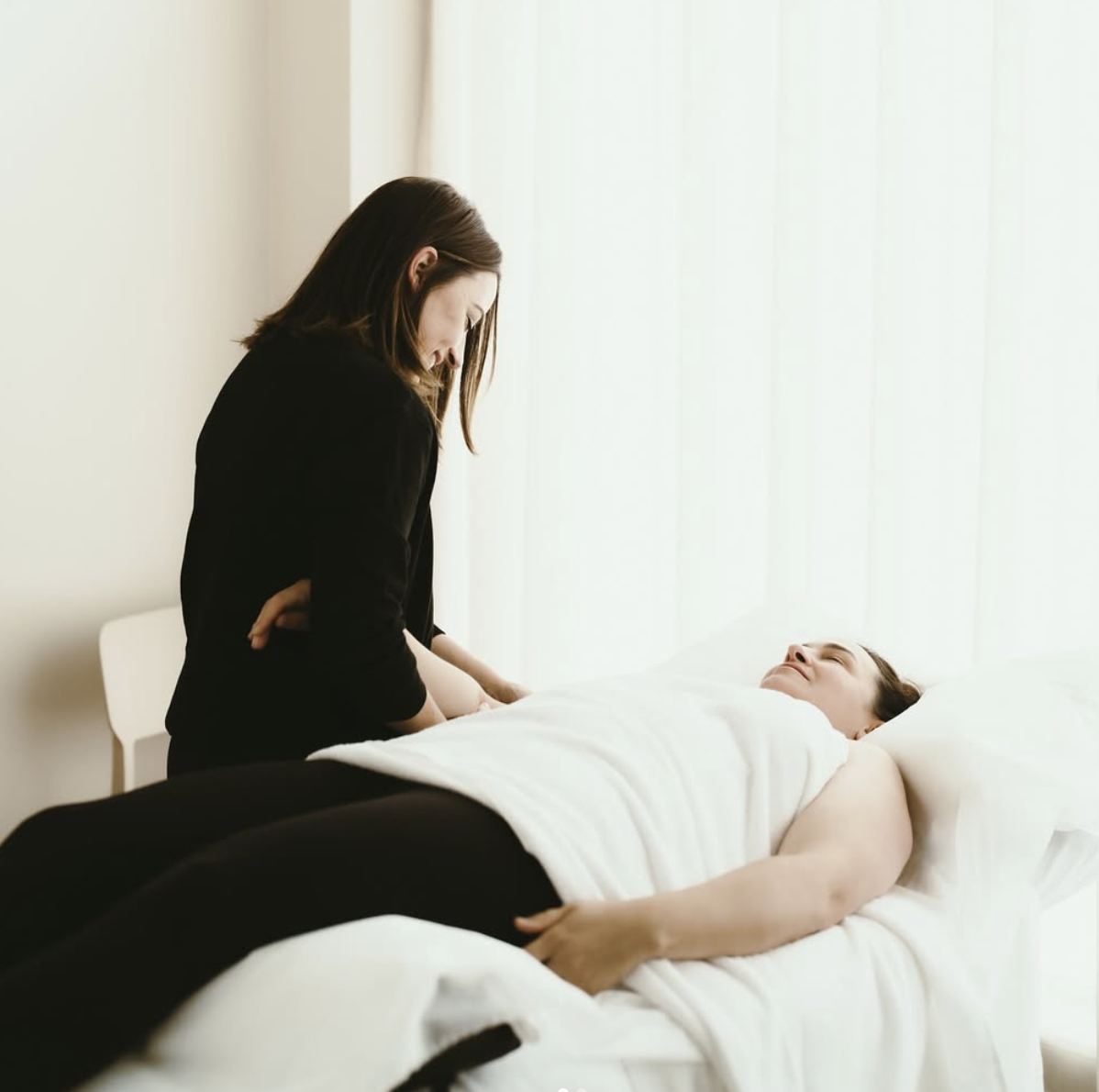
Physiotherapists work alongside GPs, midwives and lactation consultants to help manage mastitis. If the mastitis is infectious, it is important to see a GP early to get onto antibiotics. In the meantime, a physiotherapist can help improve the flow of breast milk by using therapeutic ultrasound and showing you had to do gentle massage to help clear the breast.
Therapeutic Ultrasound
One of the main physiotherapy treatments for mastitis is a therapeutic ultrasound, which is a safe, painless and non-invasive treatment often providing noticeable relief after the first session. Therapeutic ultrasound uses high frequency sound waves to penetrate deep into the breast tissue helping to reduce tension, pain and inflammation.
Gentle Massage and Manual Techniques
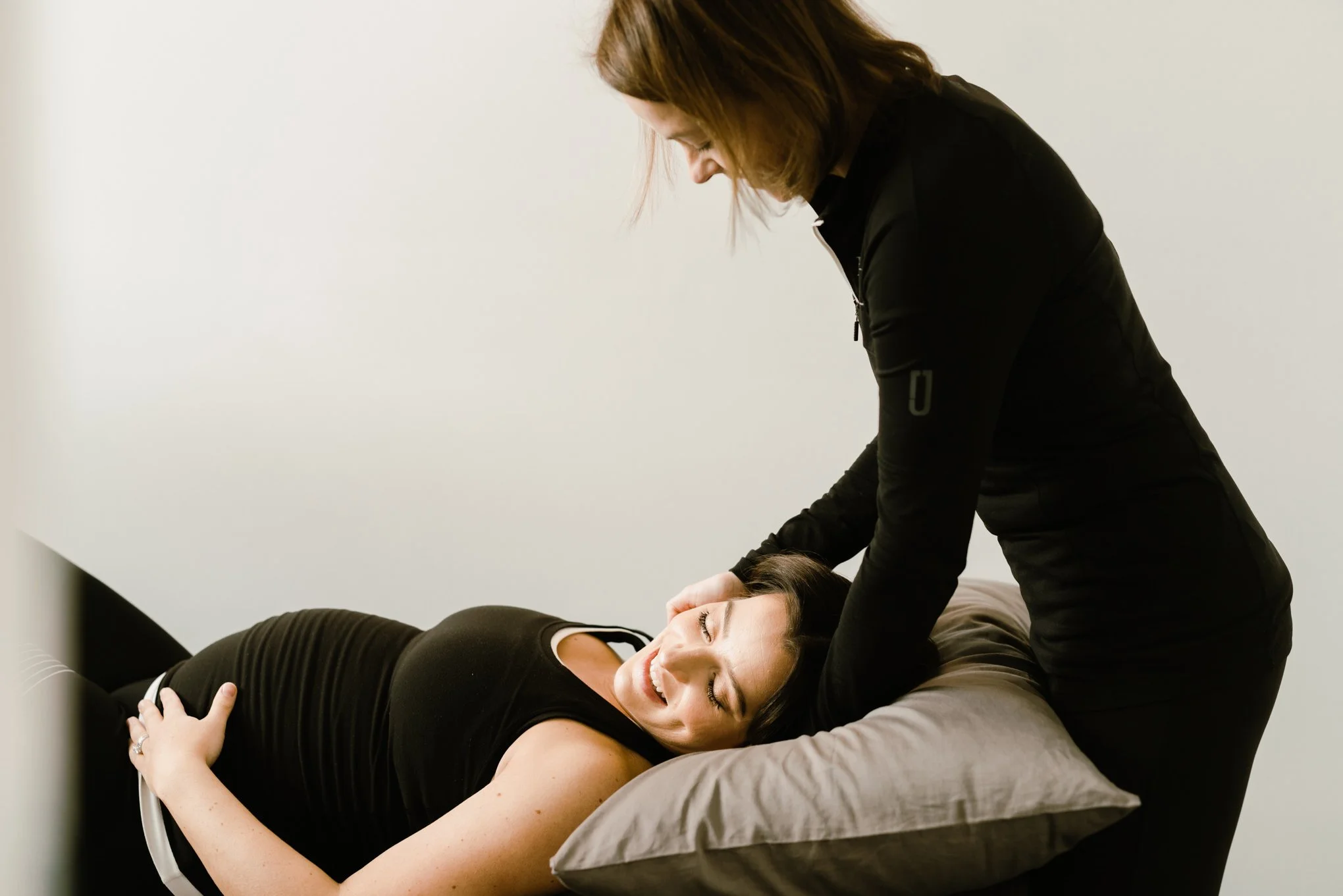
Physiotherapists may use gentle lymphatic drainage massage techniques to assist with milk movement and reduce pressure in the affected breast. The massage is light and directed towards the lymph nodes to avoid further irritation. This is something you will be able to continue to do at home.
Education
Physiotherapists will provide tailored guidance and advice to help manage the symptoms of mastitis and prevent further complications. This can include:
Guidance on latching and breastfeeding techniques to ensure bub is latching properly. This helps avoid nipple damage and ensure proper milk draining to reduce the risk of a blocked duct developing
Develop a plan to help prevent recurrence
Understand when a referral to your lactation consultant is required
FAQs
-
Yes. Physiotherapy for mastitis is safe, non-invasive, and gentle. The treatments focus on reducing pain and swelling without affecting your ability to breastfeed. Ultrasound therapy, in particular, is safe for both mother and baby.
-
If your mastitis is infective (you have a fever, chills, or pus), your doctor may prescribe antibiotics. Physiotherapy works alongside medical treatment to reduce pain, swelling, and help milk flow — but it doesn’t replace antibiotics when infection is present.
-
Many women feel relief after 1-2 sessions of therapeutic ultrasound, however more may be required if symptoms are more severe or recurring. Your physiotherapist will assess your progress and adjust treatment as needed.
-
Yes of course!
-
Absolutely — in fact, continuing to breastfeed or express milk is encouraged. It helps keep milk flowing and prevents further blockage. Your physiotherapist will often recommend timing the ultrasound treatment just before a feed, when milk flow is easiest to clear.
-
Mastitis treatment is covered under physiotherapy, so if your fund covers physiotherapy then this should be covered too.
Services
-
![Body Lab practitioner providing hands-on treatment during a physiotherapy session]()
Physiotherapy
-
![Close-up of myotherapy treatment for pain relief and recovery]()
Myotherapy
-
![]()
Clinical Pilates
-
![]()
Musculoskeletal Physiotherapy
-
![]()
Strength and Conditioning
-
![Sports Physiotherapy]()
Sports Physiotherapy
-
![]()
Pelvic Health Physiotherapy
-
![]()
Pre/Post Natal Physiotherapy
-
![]()
Pre Pointe Assessments
-
![]()
Surgical Pre/ Rehabilitation
-
![]()
Realtime Ultrasound
-
![]()
Dry Needling
-
![]()
Handheld Dynometry
-
![]()
Mastitis Treatment
-
![]()
Remedial Massage
-
![]()
Sports Massage
-
![]()
Adjunctive Therapies
-
![]()
Pregnancy Massage
-
![]()
Relaxation & Stress Therapy Massage