DRY NEEDLING
Dry Needling at Body Lab
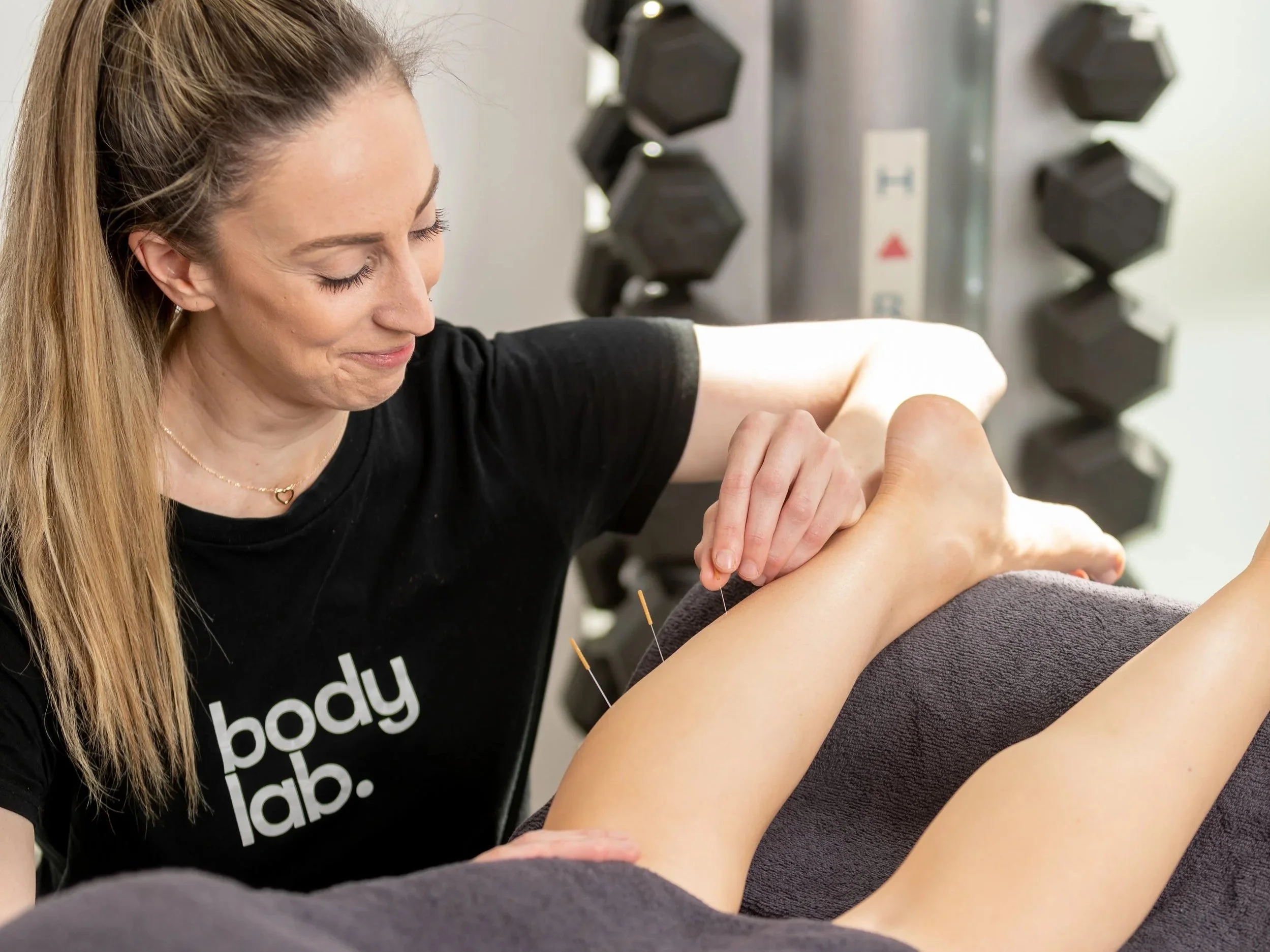
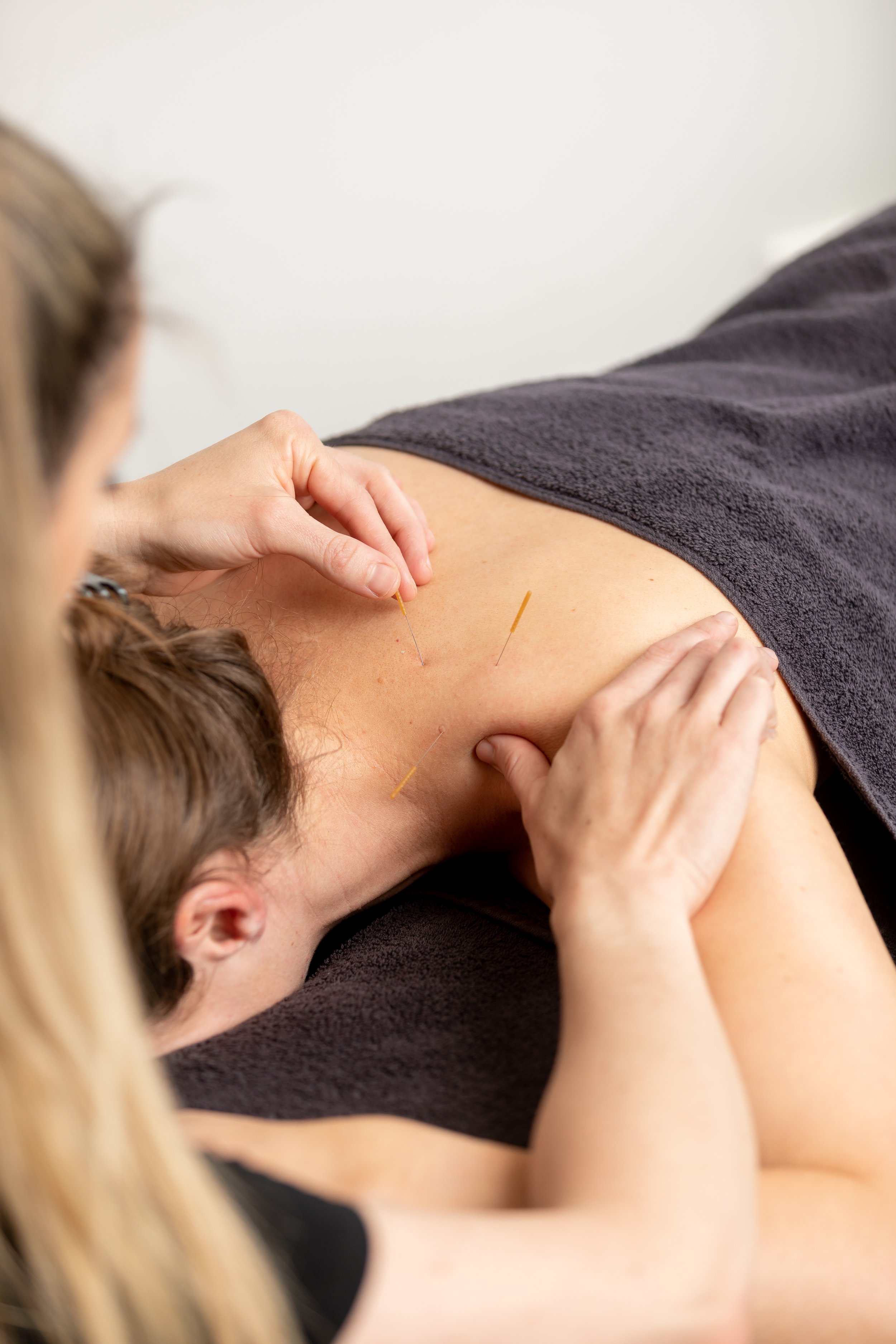
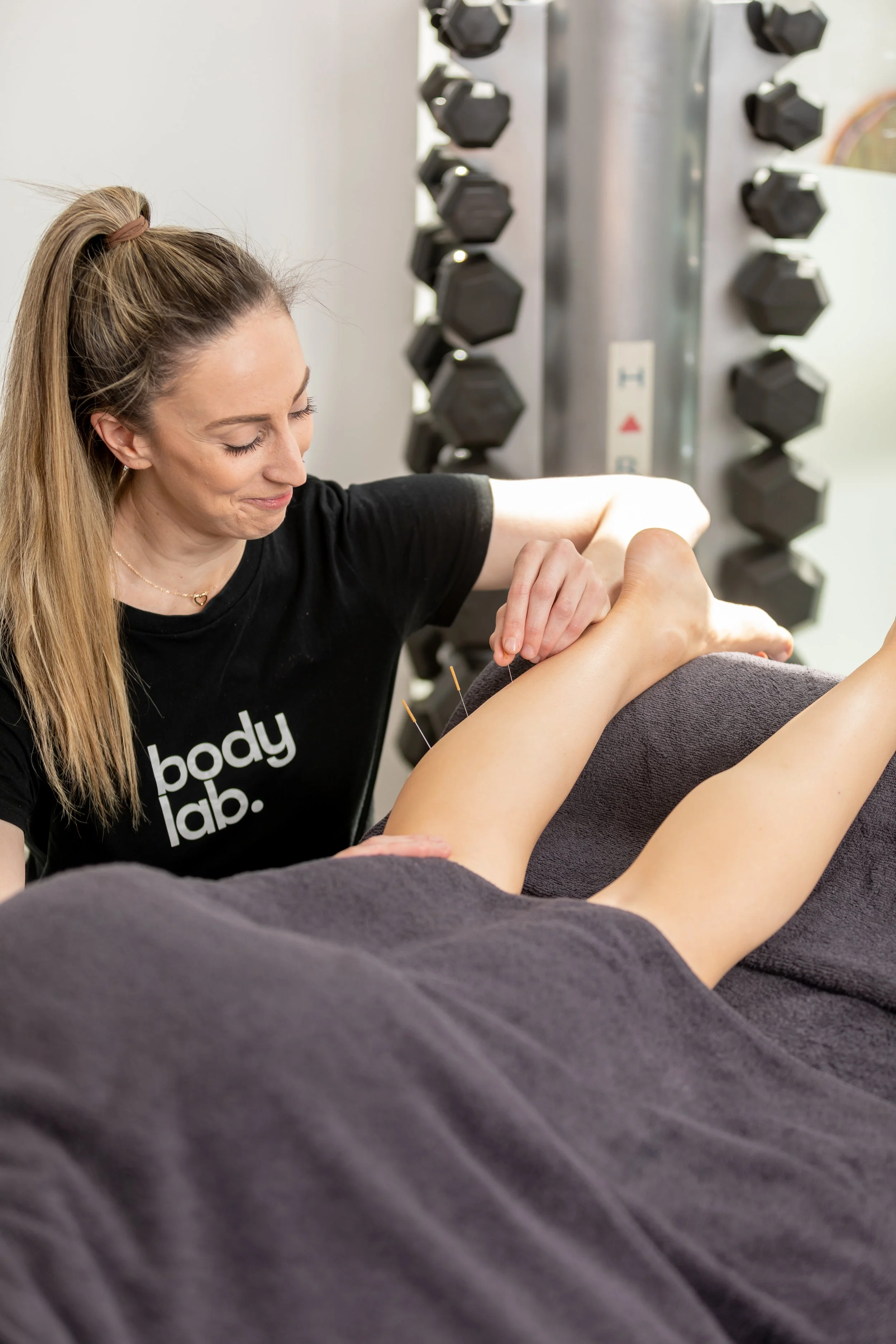
Dry needling is a treatment technique used by physiotherapists to relieve muscle pain, stiffness, and trigger points by inserting thin, sterile needles into specific areas of the body — typically tight or knotted muscles, known as myofascial trigger points. This might result in a small twitch or contraction response in your muscle followed by a period of relaxation. The needling stimulates the muscle, increasing blood flow, reducing tension, and helping to reset abnormal nerve and muscle activity.
What Are the Benefits of Dry Needling?
Reduces Muscle Pain and Tension
Dry needling targets trigger points in muscles which are tight, dense areas that cause pain and stiffness, helping the muscle relax by interrupting the pain-tension cycle.
Improves Nerve and Muscle Function
Dry needling stimulates nerves and muscle fibres to restore normal electrical and chemical activity by reducing neuromuscular dysfunction - helping improve communication between the brain and muscles. This can help “reset” overactive or inhibited muscles, improving coordination of your neuromuscular system overall.
Enhances Blood Flow and Healing
Needling triggers a small, controlled inflammatory response that increases circulation and promotes oxygen/nutrient delivery to the area to assist tissue repair.
Supports Other Physiotherapy Treatments
Dry needling assists other physiotherapy treatments including manual therapy, exercise and education and can prepare muscles for more effective rehab exercises by reducing pain and tightness prior.
How Is Dry Needling Used to Assist Treatment?
Our therapists use dry needling as an adjunct to other treatment modalities such as exercise, education and manual therapy. It will not be your only form of treatment but will assist your rehabilitation journey.
Dry needling is commonly used as an adjunct to treat:
Muscle pain and tightness
Myofascial pain syndrome
Sports injuries
Headaches (tension or cervicogenic)
Neck, shoulder, or back pain
Tendinopathies (e.g. tennis elbow)
Postural problems or movement dysfunctions
FAQs
-
You might feel a small prick at the time as an immediate effect of the needle, and some mild soreness may follow for 24-48 hours afterwards. If your physiotherapist moves the needles around you may experience some muscle spasming, which some people find uncomfortable.
-
Similar to recommendations post blood test or immunisations it is best to avoid intense exercise on the day of needling.
When to avoid dry needling:
If you have a needle phobia
Local infection
Lymphodema
Vascular disease or abnormal bleeding tendencies
Diabetes
Certain medications inc. blood thinners
Services
-
![Body Lab practitioner providing hands-on treatment during a physiotherapy session]()
Physiotherapy
-
![Close-up of myotherapy treatment for pain relief and recovery]()
Myotherapy
-
![]()
Clinical Pilates
-
![]()
Musculoskeletal Physiotherapy
-
![]()
Strength and Conditioning
-
![Sports Physiotherapy]()
Sports Physiotherapy
-
![]()
Pelvic Health Physiotherapy
-
![]()
Pre/Post Natal Physiotherapy
-
![]()
Pre Pointe Assessments
-
![]()
Surgical Pre/ Rehabilitation
-
![]()
Realtime Ultrasound
-
![]()
Dry Needling
-
![]()
Handheld Dynometry
-
![]()
Mastitis Treatment
-
![]()
Remedial Massage
-
![]()
Sports Massage
-
![]()
Adjunctive Therapies
-
![]()
Pregnancy Massage
-
![]()
Relaxation & Stress Therapy Massage